
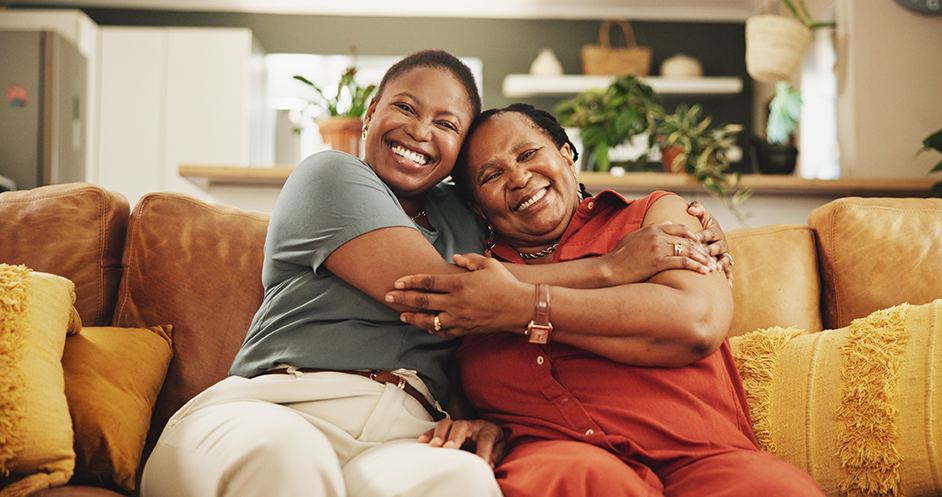
The Importance of Family Connection and Involvement in Assisted Living or a Nursing Home
The decision to move into assisted living or a nursing home is an important one, made with care, concern, and love. While the transition can bring peace of mind, it can also raise questions for families and friends who want to remain involved and connected to their loved ones. At The New Jewish Home, we believe strong, ongoing social relationships play a vital role in helping older adults feel truly at home in assisted living or a nursing home.
Why Family Involvement Matters in Assisted Living or a Nursing Home
Family relationships and friendships don’t end when a loved one moves into assisted living or a nursing home; they just take a new shape. Staying engaged helps residents maintain a strong sense of identity, purpose, and belonging. It also strengthens bonds and improves communication between families and their loved ones’ on-site caregivers.
Emotional and mental health benefits
Regular interaction with family members can significantly boost emotional well-being. Visits, phone calls, and shared activities help reduce feelings of loneliness and anxiety, creating reassurance during a time of change. Knowing that loved ones are present and invested can help residents feel supported and understood, which in turn promotes overall mental health.
Strengthening family bonds
Assisted living or a nursing home can create new opportunities for meaningful connections. Without the pressures of caregiving tasks, families are often able to focus on quality time, sharing stories, playing games, and doing other activities they enjoy. Your participation in your loved one’s life while they’re in assisted living or a nursing home can help strengthen relationships that enrich and support their daily care.
Staying Connected with Loved Ones
Consistency is key to staying connected. By scheduling regular visits, phone calls, or video chats, families can maintain a sense of routine and familiarity. Celebrating holidays and other milestones, whether in person or virtually, can help preserve cherished traditions.
Small gestures can also make a big difference. Bringing a favorite book, looking through photo albums from special life events, or enjoying a walk together can create moments of comfort and joy. At The New Jewish Home, we encourage families to remain active participants in their loved one’s daily life, helping them feel connected to both family and community.
How Families Can Be Part of the Care Team
Families play a vital role in supporting personalized care. By sharing insights about a loved one’s preferences, routines, and history, staff can deliver care that feels familiar and respectful. Regular communication with care team members also ensures families stay informed and involved in care planning.
At The New Jewish Home, we value open dialogue and encourage families to ask questions, attend appointments, and collaborate with their loved one’s care team. This partnership approach creates a stronger support system for everyone involved.
Supporting a Loved One Emotionally During the Transition
Moving into assisted living or a nursing home can be an emotional experience. Families can help ease the transition by offering reassurance, listening with empathy, and acknowledging feelings. Encouraging participation in community activities and social programs can also help loved ones build new connections and find a sense of belonging.
Adjustment takes time, and every individual’s journey is unique, so patience is essential. By remaining present and supportive, families help reinforce stability and trust during this significant life change.
Discover How We Help Loved Ones Thrive in Assisted Living or a Nursing Home
At The New Jewish Home, assisted living and nursing home care is all about creating a vibrant, supportive environment where older adults can thrive. Our team is committed to nurturing relationships that promote dignity, independence, and well-being. If you’re navigating options, we’re here to help. Contact us today to learn more about our assisted living and nursing home careand schedule a tour for you and your loved one.